
What GLP-1 Users Are Actually Buying. And How It's Reshaping The Whole Household
By Katherine Meyer, Product Marketing Manager at Chicory
In 2025, Chicory called GLP-1 a category reset. Our new survey, GLP-1 & The New Grocery Cart, confirms it.
38% of respondents are currently on a GLP-1, and 53% plan to use it indefinitely. The behavior is sticky, and it doesn't stay contained to the individual user.
What users are buying and eating is changing in four ways at once. Protein is in. Sugar and snack indulgence are challenged. The household is following. And the discovery moment is happening on food and grocery content before the cart is even built.
Protein Stays Trending, and It's Gone Mainstream
Protein is the core asset of the GLP-1 diet, and there’s a lot of it. 71% of GLP-1 users are buying more high-protein foods, per Chicory's 2026 GLP-1 Survey. Versatility is doing the heavy lifting.
Ground turkey bowls, cottage cheese blended into anything, eggs as the most reliable add-on. These use cases have gone viral and they're showing up in shopper baskets at the same time.
Protein recipe searches are up +180% over the last two years across Chicory's network, and each health-focused January tops the next. Chicory’s new survey explains the demand driving those views.

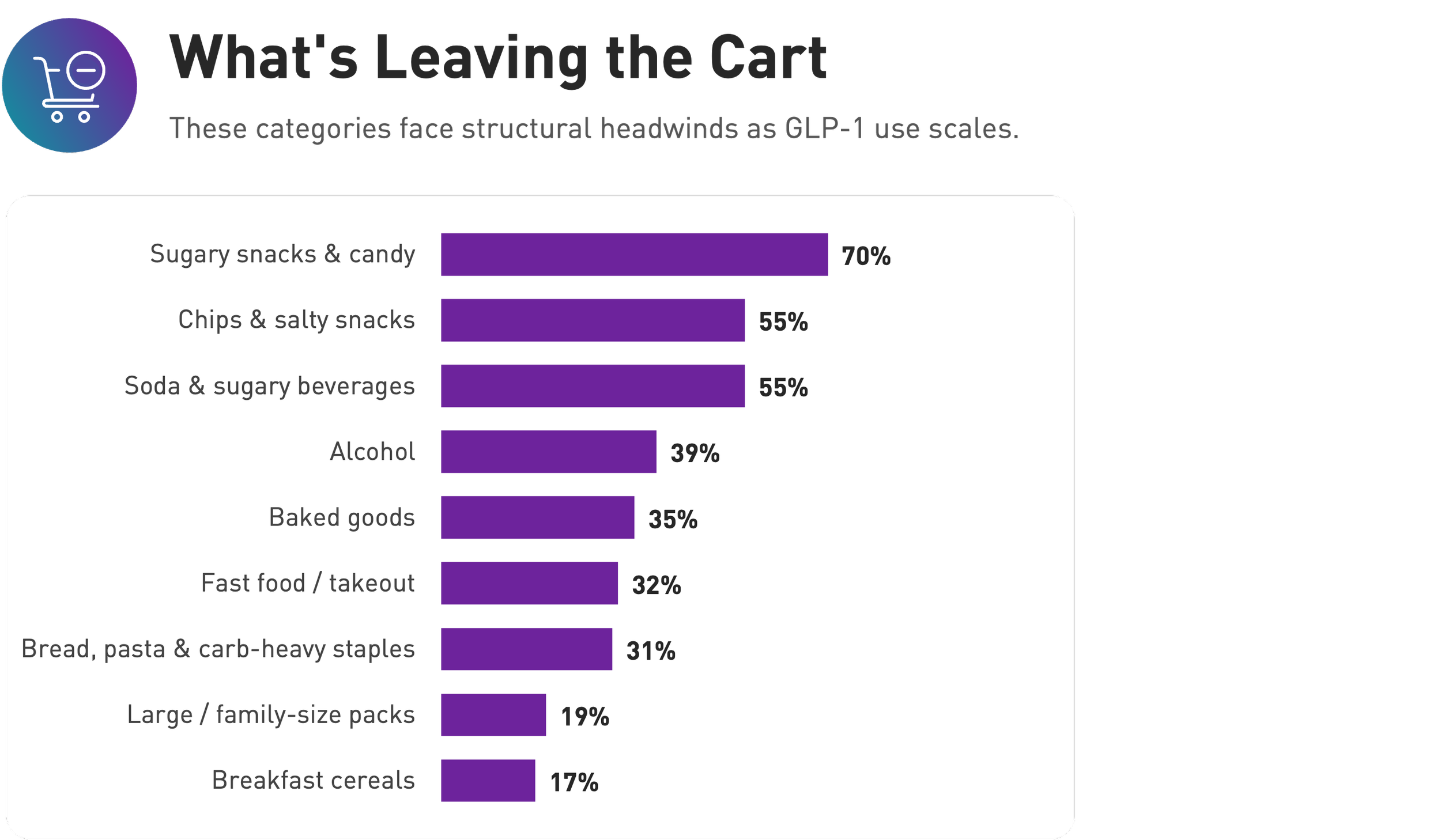
Sugary Snacks and Candy Are Quietly Losing the GLP-1 Cart
In Chicory's recent post on the say-do gap shrinking, we made the case that ingredient scrutiny is closing the gap between what shoppers say they want and what they actually buy. That was the values angle. GLP-1 is closing the same gap from a biology angle.
For a meaningful number of consumers, the appetite cues that used to override stated preference at the shelf are weakening.
What GLP-1 users say they want and what they actually buy are starting to line up.
The Household Ripple: One User Changes a Whole Shopping Trip
Chicory’s 2026 GLP-1 Survey confirms that GLP-1 users are typically the household's primary shopper, or at least shape what enters the cart.
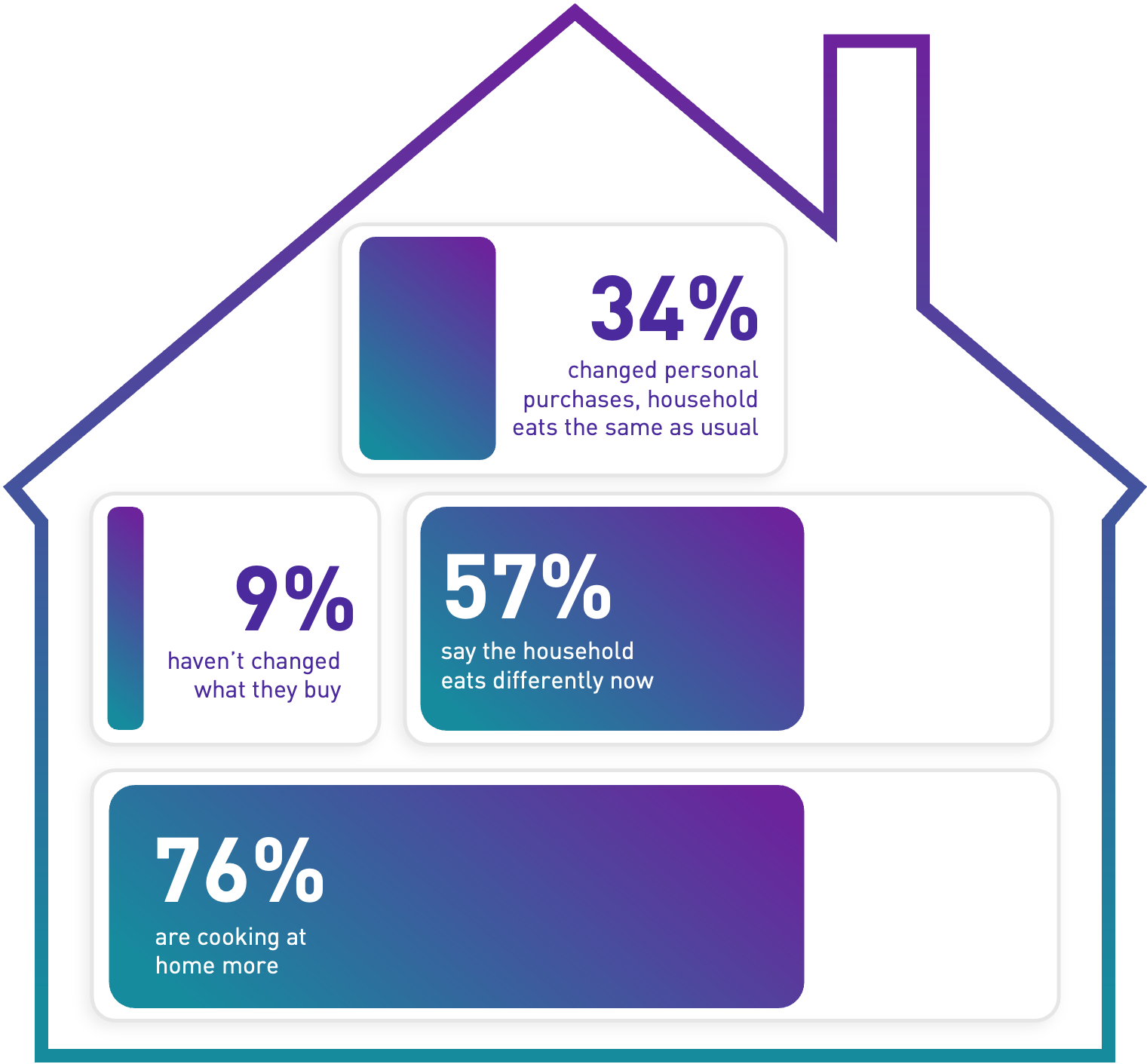
91% of GLP-1 users have changed what they buy because of the medication. For 57% of them, the change extends to the whole household. Only 9% say it has not changed what they buy.
This is a household-level demand signal, not a niche-cohort marketing problem. The shift affects pack size, family-meal occasions, and how the primary shopper builds the list for the entire household.
76% Are Cooking at Home More, and They Want Content to Help
New eating patterns bring a learning curve. 76% of GLP-1 users are cooking at home more, and 92% are actively seeking GLP-1-aligned food content. New recipes, new ingredients, new shopping lists.
And consumers are turning to their trusted sources for guidance: recipe and food blog content is the single most cited source (64%), followed by social media (55%), retailer apps (30%), and AI tools (21%).
Among active GLP-1 users in the past three months, 64% searched for high-protein meals, 48% for high-fiber, 47% for GLP-1-friendly specifically, 31% for low-sugar or low-carb. The intent signal is precise and category-rich.
Where Chicory Fits in the GLP-1 Shift
The rise in GLP-1 has reshaped consumers’ buying and eating habits. New shoppers, new household demand, and a renewed planning and discovery phase.
Brands must prioritize showing up in the right, high-intent moments for the GLP-1-conscious shopper. They need to reach them when they’re planning a high-protein meal, building their fiber-filled shopping list, or considering a healthier ingredient swap.
Chicory's contextual commerce media reaches GLP-1-conscious shoppers across 7,000+ food and grocery publishers, with shoppable integrations across 70+ retailers, at the exact moment a high-protein meal plan turns into a shopping list.
GLP-1’s are appear to be here for the long haul, and it’s pulling whole households along with it. Brands that show up in the planning moment win the household, not just the user.
Ready to reach GLP-1-conscious shoppers when it matters most? Book a meeting today.
More Blogs





GLP-1 medications have moved well beyond early adopters. 38% of consumers are currently on one, and their grocery habits look meaningfully different from everyone else's. They're buying more protein and produce, cutting back on snacks and alcohol, cooking more at home, and planning to stay on these medications for the long term.